
For several years, authors shifted much of their marketing online. Book launches moved to livestreams, discovery came through algorithms, and social media began replacing the bookstore table and the author event.
And for a while, that shift made sense.
But something important was lost in the process. While digital platforms help readers discover books, they rarely create the moment that actually convinces a reader to buy one.
Readers may discover books online, but many buying decisions still happen in person.
And right now, those in-person opportunities are returning.
A reader picks up your book, flips through a few pages, and asks what inspired the story. A few minutes later, they’re walking away with a signed copy.
Moments like that are difficult to replicate online. And they are beginning to return in a meaningful way.
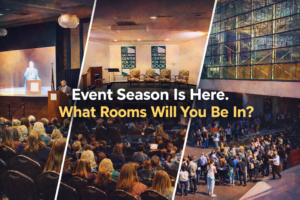
Across author conferences, library programs, bookstore events, literary festivals, and community gatherings, readers are showing up again—and they’re looking for opportunities to meet authors directly.
Research supports the shift. Studies show that 85 percent of consumers are more likely to purchase after attending a live event, and more than half say they plan to attend even more in-person events this year.
For authors, that matters. Because when readers hear the story behind a book, ask questions, or meet the person who wrote it, the book stops being another title on a screen.
It becomes personal. And personal connections sell books.
Several broader trends are helping drive this shift back toward in-person events.
First, the post-pandemic market has changed how people spend their time and money. Across industries—from concerts and conventions to local festivals and markets—consumers are prioritizing shared experiences again. After years of digital interaction, many people are simply looking for opportunities to gather, attend events, and reconnect with communities.
Books fit naturally into that environment.
Second, the economics of online marketing have shifted for authors. Digital advertising has become more competitive and more expensive, while organic reach on social media continues to decline. Even when readers discover a book online, turning that attention into a sale can still be difficult.
At an event, that barrier disappears. Instead of competing with thousands of titles in an algorithm-driven feed, you are having a direct conversation with a reader who is already interested in books.
A third influence is generational. Younger readers—particularly Gen Z—have helped reshape book culture through platforms like BookTok. For many of these readers, books are not simply digital content. They are physical objects people want to collect, share, and experience. Signed copies, literary festivals, and author meet-and-greets have become part of that culture.
Put all of those trends together, and it becomes easier to see why readers and authors are finding themselves back in the same room again.
Online marketing is valuable. Social platforms help readers discover new books, follow authors, and stay connected to the stories they enjoy.
But discovery and decision are not the same thing.
In-person events often bridge that gap. When readers attend an event, they can:
- hear the story behind the book
- ask questions directly
- meet the author face-to-face
- purchase a signed copy
Those moments create something digital marketing rarely can: a shared experience.
Independent authors find that events lead to more than book sales. They often lead to invitations from book clubs, speaking opportunities, connections with libraries, and word-of-mouth recommendations that continue long after the event ends.
One conversation at a signing table can introduce a book to dozens of future readers. For authors building a readership, those interactions matter.
Once events start filling the calendar, another practical question usually follows.
How many books should you bring?
A practical approach experienced authors use is straightforward. Start by counting how many events you expect to attend during the season. Then estimate how many books you might sell at each event—even if it’s only a rough guess.
If you’re unsure what to expect, event size can provide a useful starting point. At smaller events such as library talks or book clubs, authors often sell 5–15 copies. At bookstore signings, festivals, or multi-author events, that number can climb into the 15–40 copy range, depending on turnout and audience fit.
While a single event may not move dozens of books, the impact becomes clearer across a season. Authors attending several events often discover that those steady sales add up—and just as importantly, those conversations lead to future opportunities, new readers, and word-of-mouth that continues long after the event ends.
Once you have a rough estimate in mind, add a small cushion for strong events or unexpected demand. Small print runs of 24 or 50 copies are convenient—and often the right choice early on. But authors preparing for multiple events often discover that planning one larger print run can improve per-book margins compared to placing repeated small reorders.
For many authors, that seasonal print run lands somewhere in the 250–500 copy range. That’s usually enough inventory to support several events without committing to thousands of copies.
The goal is simple: be ready when readers are ready to buy.
Because when someone finishes a conversation at your table and asks, “Can I get a signed copy?” you want the answer to be yes.
Digital marketing will always play an important role in publishing. Social platforms, newsletters, and online communities help authors reach readers around the world.
But books are still deeply personal objects.
When readers hear an author talk about their work, shake their hand, or leave an event holding a signed copy, something different happens. The book becomes part of a moment they remember.
And moments like that often turn readers into long-term fans.
Sometimes the most powerful marketing tool for a book isn’t an algorithm.
It’s a conversation.